
Family Chiropractic Care: Why All Ages Benefit from a Healthy Spine
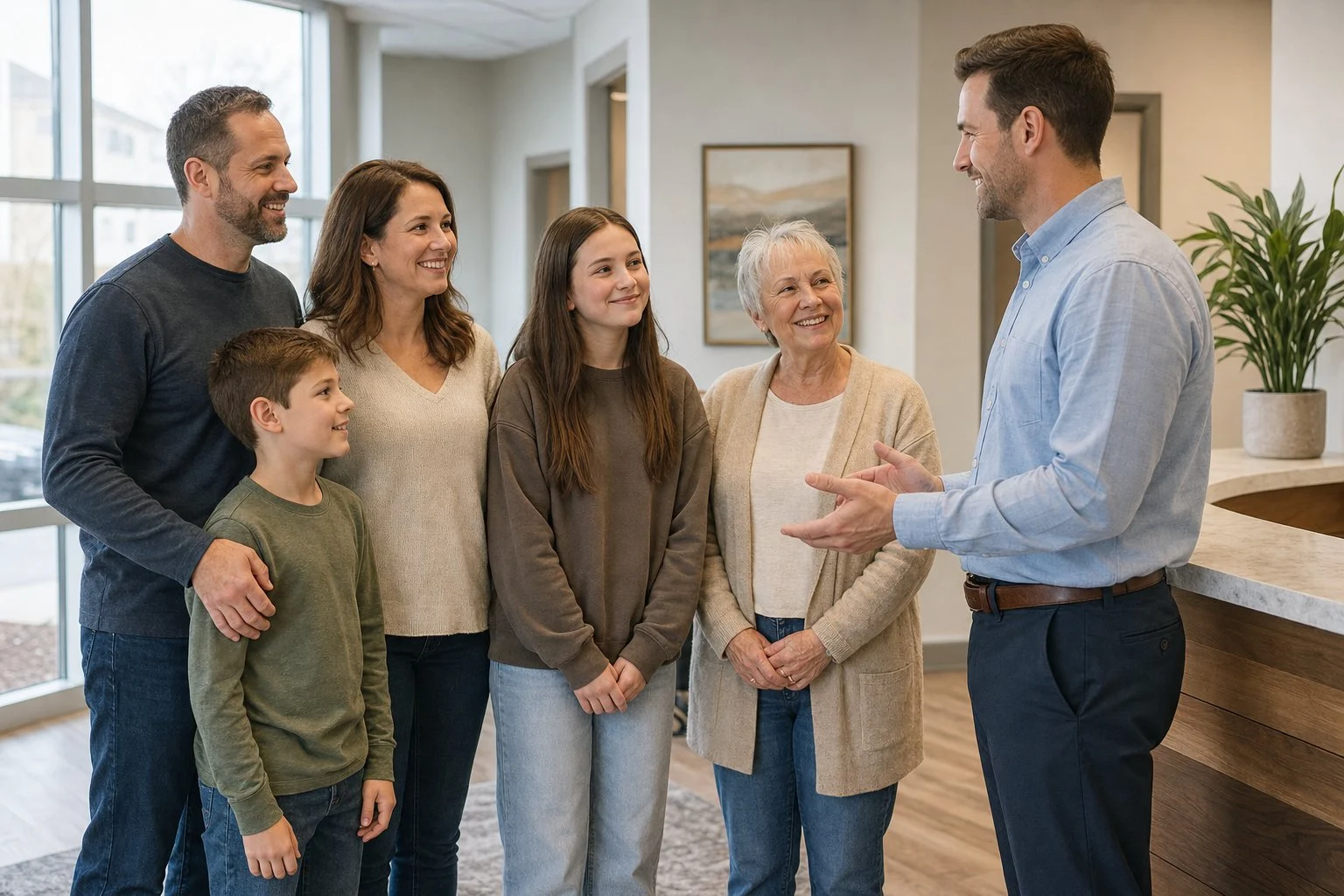
When I look around our office in Indiana, PA, I see what family chiropractic care is really about: a parent arriving after a long day at work, a teenager balancing sports and school, a child learning how their body moves, and a grandparent who wants to keep gardening, walking, and participating in family life. Their needs are not identical, and their care should not be identical either.
I founded Sleppy Chiropractic to help people make thoughtful, proactive choices about their neuromusculoskeletal health. Since earning my Doctor of Chiropractic degree from Life University in 2002, I have spent more than two decades caring for patients in this community. As a lifelong Indiana County resident, a husband, and a father of four, I also understand that a family’s health decisions have to fit real schedules, real responsibilities, and real questions.
A healthy spine is not simply about avoiding pain. It is part of how we move, work, rest, exercise, and stay engaged with the people we love. Chiropractic care may be one useful part of a family’s broader healthcare plan, alongside primary medical care, appropriate specialist care, healthy activity, sleep, nutrition, and injury prevention.
One Family, Different Bodies and Different Goals
One of the most important conversations we have in our office is about expectations. Family chiropractic care does not mean every person gets the same adjustment, the same appointment schedule, or the same goals. It means we take the time to assess the individual in front of us and make recommendations based on their age, health history, physical findings, activities, and concerns.
At Sleppy Chiropractic, our licensed chiropractors—Dr. Evan R. Ludwig, D.C., Dr. Seth Link, D.C., and I—approach care with a patient-first mindset. We focus on non-surgical, drug-free options when they are appropriate, and we communicate when a concern needs a different kind of evaluation or coordinated care. That is especially important for families, because a child’s developing body, an adult’s work demands, and a senior’s mobility goals each call for a different clinical lens.
My post-doctoral training in applied clinical neuroscience also shapes how I think about the connection between the nervous system, movement, balance, symptoms, and daily function. It does not replace medical diagnosis or specialty care. It helps me ask careful questions, perform a thorough examination, and consider the whole person rather than reducing someone to one sore spot.
What Age-Appropriate Chiropractic Care Can Look Like
Children: A Gentle, Parent-Involved Introduction
Parents commonly ask whether a child’s visit looks like an adult’s visit. The answer is no. Pediatric chiropractic care begins with a careful health history, a conversation with the parent or caregiver, and an age-appropriate assessment of movement, posture, coordination, and comfort. We explain what we are doing in plain language and encourage parents to ask questions throughout the visit.
For children, the practical focus may include posture during schoolwork, movement habits, sports or play-related strains, and whether a child seems uncomfortable with certain activities. When care is appropriate, the approach is modified for the child’s size, developmental stage, and clinical findings. Gentle techniques may be used rather than applying adult-style force.
I also want parents to know what responsible care includes: listening when a child is uneasy, avoiding a one-size-fits-all plan, and recognizing when symptoms warrant evaluation by a pediatrician or another qualified medical professional. A chiropractic visit should never make parents feel rushed or pressured. You deserve clear answers about what we are assessing, why we are recommending care, and what alternatives may be appropriate.
Teens: Supporting Movement Through Busy Years
The teenage years can place unique demands on the body. Students may spend long stretches sitting in class, studying on devices, practicing an instrument, working a part-time job, or training for a sport. We often talk with teens about more than discomfort. We talk about how they move, recover, warm up, sleep, carry themselves, and respond to the repetitive demands of their day.
A teen who participates in athletics may have a goal of moving more comfortably through practice. Another may be dealing with the physical strain of prolonged sitting. During an exam, we look for functional concerns that may be relevant to the individual’s complaint and discuss practical strategies that can be used at home, at school, or during training.
In our office, I want teenagers to be active participants—not passive recipients of care. We explain what we observe, invite their questions, and offer realistic guidance. That might include movement breaks, ergonomics, recovery habits, or a conversation about when it is wise to pause an activity and seek additional evaluation.
Adults: Care That Respects Work, Parenting, and Real Life
Adults frequently arrive after putting everyone else first. They may be lifting children, commuting, working at a desk, spending long hours on their feet, managing household responsibilities, or returning to exercise after time away. Often, the question is not just, “What hurts?” It is, “How can I keep doing what my family and job need from me?”
We begin with an examination and a conversation about the person’s goals. For some adults, that may mean greater ease with daily movement. For others, it may mean addressing a recurring musculoskeletal concern conservatively before considering more invasive options. When clinically appropriate, our office may incorporate chiropractic adjustments and supportive therapies into a personalized plan.
We also offer advanced modalities such as MLS Laser Therapy, PEMF Therapy, Shockwave Therapy, and spinal decompression for patients who may be candidates after an evaluation. These services are not automatic add-ons, and they are not substitutes for a proper assessment. We explain what a therapy involves, what it is intended to support, its practical considerations, and whether it fits the patient’s presentation and goals. In cases involving disc-related symptoms or certain chronic spinal complaints, spinal decompression may also be discussed after we determine whether it is appropriate.
Seniors: Protecting Confidence in Everyday Movement
For many older adults, the goal is not a dramatic fitness milestone. It is independence: getting in and out of the car with more confidence, taking a walk, keeping up with grandchildren, tending a garden, or moving around the home more comfortably. Those are meaningful goals.
Senior care requires thoughtful screening. We review health history, medications, past surgeries, bone health concerns, balance changes, and current medical care. Techniques and recommendations are adapted accordingly. Some seniors may be appropriate candidates for gentle chiropractic care; others may need a medical workup, imaging ordered by the appropriate provider, or a referral before chiropractic treatment should be considered.
I never view age alone as a reason to stop pursuing better movement habits. At the same time, I do not treat age as irrelevant. Safe, respectful care begins with understanding the individual’s full health picture.
What a Family Visit Feels Like at Our Indiana, PA Office
Families are busy, so we work to make visits organized and understandable. Although each person is evaluated individually, family members often appreciate being able to coordinate appointments and receive guidance that supports shared health habits.
A typical first visit involves several steps:
-
Listening first. We discuss the main concern, relevant health history, lifestyle demands, previous care, and personal goals.
-
Performing an appropriate examination. This may include observing posture, movement, mobility, neurological indicators, and other findings relevant to the concern.
-
Explaining what we find. We use understandable language rather than expecting families to interpret medical terminology on their own.
-
Discussing options. If chiropractic care appears appropriate, we discuss a proposed plan, possible supportive therapies, self-care recommendations, and expected reassessment points.
-
Making room for questions. Parents can ask about their child’s care. Adults can ask about time commitments, activities, or whether another provider should be involved.
We protect patient privacy and treat each person’s information with care. That matters in every healthcare setting, but it is particularly important when multiple family members receive care in the same office. We can coordinate scheduling without assuming that one family member should know another person’s health details.
The Family Stories We Hear, Without the Sales Pitch
Protecting privacy means I do not turn patients’ personal health experiences into marketing stories. What I can share is the kind of conversation we regularly hear. A parent may tell us they are tired of watching their teen sit out of an activity. An adult may say they delayed addressing a physical concern because work and caregiving came first. A grandparent may want to feel steadier and more capable during everyday tasks.
“We want to understand what is going on and what makes sense for our family.”
That is a reasonable request, and it is how we want every visit to begin. Our role is not to promise a particular outcome. Our role is to provide a careful assessment, explain conservative options clearly, monitor response, and adjust the plan when needed. Some people notice changes quickly; others need more time, a different approach, or care from another provider. Honest communication is more valuable than a guarantee.
Building a Long-Term Wellness Mindset Together
As a 100 Year Lifestyle Certified practitioner, I believe health is best approached as a lifelong practice rather than a reaction to a crisis. That perspective is especially meaningful for families. Children learn from what they see. When adults prioritize movement, recovery, regular check-ins, and asking for help when something does not feel right, they model habits that can carry forward.
That does not mean every family needs a rigid wellness routine. It can be simpler than that:
-
Take regular movement breaks during screen-heavy days.
-
Make activity a family event, whether that is walking, biking, yardwork, or playing outside.
-
Encourage athletes to speak up about pain, dizziness, or changes in how they feel.
-
Set up work and study spaces with attention to posture and comfort.
-
Address persistent concerns instead of assuming discomfort is simply part of getting older or being busy.
-
Keep communication open between chiropractic, medical, and other healthcare providers when coordinated care is needed.
These habits do not require perfection. They require attention. In my experience, families make the most sustainable changes when the plan is practical enough to use on an ordinary Tuesday—not just when motivation is high.
A Shared Investment in the Years Ahead
I have spent my career serving people from Indiana County and the surrounding communities, and I continue to value the trust families place in our team. Whether you are seeking guidance for a child, a teen athlete, a working parent, or an older adult who wants to stay active, the right starting point is an individual conversation.
At Sleppy Chiropractic, we will meet you where you are, explain what we see, and help you consider whether chiropractic care fits your needs. We will also be direct when another healthcare professional should be part of the next step. A family’s health is too important for assumptions, rushed answers, or one-size-fits-all care.
A healthy spine supports a life in motion, but the bigger goal is participation: showing up for school, work, play, milestones, and the everyday moments that make a family’s life whole. That is the long-view care I want for my own family, and it is the approach we bring to yours.
About Dr. Matthew Sleppy
Founder, Sleppy Chiropractic
Dr. Matthew Sleppy is the founder of Sleppy Chiropractic in Indiana, PA, where he has been serving patients since 2002. A lifelong Indiana County resident, Dr. Sleppy attended Penns Manor High School and IUP before earning his Doctor of Chiropractic degree Magna Cum Laude from Life University. With over 20 years of experience and more than 10,000 patients helped, he specializes in neuromuscular and skeletal health, including post-concussion care through his advanced training in applied clinical neuroscience. Dr. Sleppy is a certified 100 Year Lifestyle practitioner, committed to helping patients build long-term vitality through proactive, evidence-based chiropractic care. When he’s not in the office, he lives on a horse farm in Creekside, PA with his wife Jennifer and their four children.
Disclaimer: The information provided on this website is for educational purposes only and is not a substitute for professional medical advice, diagnosis, or treatment. Please consult with a licensed healthcare provider for personalized care.